

Perimenopause: A Clinician's Guide to Symptoms & Management
Editorial TeamYou may feel like a stranger in your own body. Perhaps you're experiencing new levels of anxiety, unpredictable moods, or the frustration that your trusted diet and exercise habits no longer seem effective. If this sounds familiar, you are not alone, and your symptoms are very real. This is often the experience of perimenopause, a significant but frequently misunderstood hormonal transition that occurs in the years leading up to menopause.
Navigating this stage can feel isolating, particularly if you're concerned that your symptoms might be dismissed. This guide is designed to provide clarity and confidence. Created by UK-registered clinicians, it offers a clear, evidence-based overview of the hormonal shifts taking place in your body. We will help you recognise the wide range of physical and mental symptoms and explore clinically-backed strategies to manage your health and wellbeing, empowering you with the knowledge to feel in control and prepared to seek the right medical support.
Key Takeaways
- Understand the hormonal shifts that define the menopausal transition and why it is a natural biological process.
- Learn to identify the wide-ranging symptoms of perimenopause, from changes in your cycle to shifts in your emotional wellbeing.
- Discover the clinical link between declining oestrogen levels and changes in body composition, including abdominal weight gain.
- Explore clinically-backed strategies, including lifestyle modifications and medical treatments, to manage your symptoms effectively.
- Find a clear pathway for seeking medical support and guidance from healthcare professionals within the UK.
What is Perimenopause? Understanding the Menopausal Transition
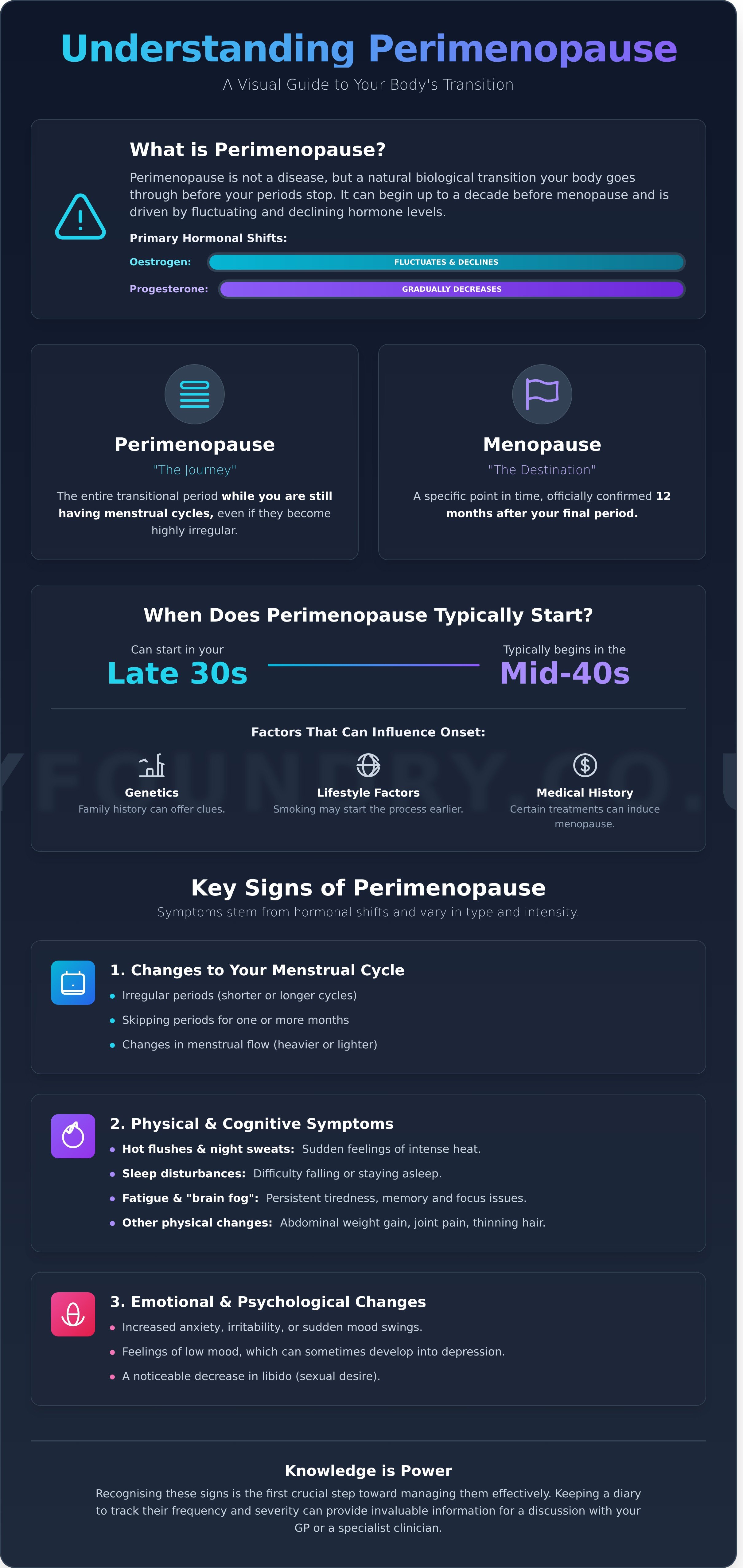
If you've noticed changes in your body and monthly cycle but haven't reached menopause, you may be experiencing perimenopause. This is not a disease but a completely natural biological process-the transitional stage your body goes through before your periods stop for good. This phase can begin up to a decade before menopause itself and is characterised by significant hormonal shifts. For many women, understanding the menopausal transition is the first step toward managing its effects on their health and wellness.
The primary drivers of this change are the two main female hormones: oestrogen and progesterone. Oestrogen plays a crucial role in regulating your menstrual cycle, among many other functions, while progesterone helps prepare the uterus for pregnancy. During perimenopause, your ovaries gradually produce less of these hormones. Their levels begin to fluctuate unpredictably, leading to the onset of common symptoms, including changes in weight, mood, and sleep patterns, which we will explore throughout this article.
Perimenopause vs. Menopause: What's the Difference?
It is common to confuse these two terms, but the distinction is clinically important. Perimenopause is the entire transitional period while you are still having menstrual cycles, even if they become highly irregular. Menopause, on the other hand, is a specific point in time. A woman is officially considered to have reached menopause 12 months after her final period. A helpful analogy is to think of perimenopause as the journey, and menopause as the final destination.
When Does Perimenopause Typically Start?
Every woman's timeline is unique, but the transition typically begins in the mid-40s. However, for some, it can start as early as their late 30s. Several factors can influence the age of onset, including:
- Genetics: Your family history can offer clues about your own timeline.
- Lifestyle Factors: Smoking has been shown to potentially start the process earlier.
- Medical History: Certain medical treatments can induce menopause prematurely.
Because this experience is highly individual, recognising the signs is more important than focusing on a specific age.
Key Signs of Perimenopause: Recognising the Symptoms
The transition into perimenopause is a highly individual experience. While the hormonal fluctuations discussed previously are the underlying cause, the resulting symptoms can vary significantly in type and intensity from one person to another. Recognising these signs is the first crucial step toward managing them effectively and discussing your health with a clinician.
The symptoms can be grouped into three main categories, all stemming from the changes in your hormone levels.
Changes to Your Menstrual Cycle
For many women, the very first indication of this transition is a change in their menstrual cycle. The predictable rhythm you may have had for decades can start to become erratic as fluctuating oestrogen levels disrupt ovulation. Key signs to watch for include:
- Irregular periods, with cycles becoming shorter or longer than usual.
- Skipping periods entirely for one or more months.
- Changes in menstrual flow, which may become significantly heavier or much lighter.
Common Physical and Cognitive Symptoms
As hormone levels continue to decline, a wide range of physical and cognitive symptoms can emerge. These are often the most disruptive to daily life and wellbeing. They include:
- Hot flushes and night sweats: Known as vasomotor symptoms, these are sudden feelings of intense heat, often affecting the face, neck, and chest.
- Sleep disturbances: Difficulty falling or staying asleep is common, frequently made worse by night sweats.
- Fatigue and "brain fog": Persistent tiredness, along with challenges with memory, focus, and concentration.
- Physical changes: Many women notice weight gain (especially around the abdomen), joint pain, thinning hair, and drier skin.
Emotional and Psychological Changes
The hormonal shifts of this period don't just affect the body; they can have a profound impact on your emotional wellbeing. Fluctuating hormones can influence neurotransmitters in the brain, such as serotonin and dopamine, leading to:
- Increased anxiety, irritability, or sudden mood swings.
- Feelings of low mood that can sometimes develop into depression.
- A noticeable decrease in libido (sexual desire).
The stress of these changes can sometimes lead to unhealthy coping mechanisms, such as an increased reliance on alcohol. If substance use becomes a concern during this transition, confidential support is available. Services like Detox Rehab Clinics UK offer free, independent advice for individuals seeking treatment.
Navigating these emotional challenges can be difficult, and seeking support is a sign of strength. For those looking for specialized, hormone-informed care, you can discover Women’s Mental Health Specialist, who offer virtual services tailored to women's unique needs.
Understanding this wide array of potential symptoms is vital. Keeping a simple diary to track their frequency and severity can provide invaluable information for a discussion with your GP or a specialist clinician. A clear record helps build a comprehensive picture of your health, which is essential when exploring clinically-backed strategies for managing perimenopause and its impact on your overall wellness.
The Link Between Perimenopause and Weight Gain
If you have noticed the numbers on the scale creeping up despite no significant changes to your lifestyle, you are not alone. Weight gain during perimenopause is a common and often frustrating experience, driven by a complex interplay of hormonal shifts that fundamentally alter your body's metabolism and how it stores fat. Understanding these underlying biological changes is the first step toward effective management.
The primary driver is the fluctuation and eventual decline of oestrogen. This hormonal change signals your body to store fat more readily, particularly around the abdomen as visceral fat. This type of fat is metabolically active and can lead to further health complications. Concurrently, many women develop a degree of insulin resistance, meaning their cells don't respond as efficiently to insulin. This makes it harder to process carbohydrates and encourages increased fat storage. The World Health Organization provides a comprehensive overview of this life stage in its WHO Fact Sheet on Menopause. To compound matters, levels of the stress hormone cortisol often rise, which is linked to an increased appetite and a greater tendency to store fat around the midsection.
Why Your Old Diet and Exercise Plan May No Longer Work
The frustration many women feel is valid: the strategies that once worked may no longer be effective. This is because the weight gain is not solely a matter of 'calories in, calories out.' Your body is operating under a new set of hormonal instructions that influence your metabolism. For some, very high-intensity exercise can even elevate cortisol levels, potentially exacerbating the problem. Read our detailed guide on How Perimenopause Can Affect Your Weight to learn more.
Long-Term Health Risks Associated with Metabolic Changes
This shift in body composition is more than a cosmetic concern; it carries significant long-term health implications. The increase in visceral fat is directly linked to a higher risk of developing serious conditions such as type 2 diabetes, cardiovascular disease, and high blood pressure. Therefore, proactively managing your weight during this transition is a crucial step in safeguarding your future health and wellness, positioning it as a medical necessity rather than simply a lifestyle choice.
Clinically-Backed Strategies for Managing Perimenopause
While the hormonal shifts of perimenopause present unique challenges, they do not make weight management impossible. By adopting a holistic and evidence-based approach, you can effectively navigate this transition and support your long-term health. The key is to combine strategic lifestyle adjustments with appropriate medical support tailored to your individual needs.
Lifestyle and Nutrition Adjustments
A proactive approach to diet and exercise is fundamental. Focus on building a nutritional foundation that supports metabolic health and hormonal balance. Prioritise:
- Protein and Fibre: Aim to include a source of lean protein (chicken, fish, tofu, legumes) and fibre (vegetables, whole grains) in every meal to enhance satiety and help stabilise blood sugar levels.
- Strength Training: Incorporate resistance training 2-3 times per week. Building lean muscle mass helps to counteract the natural decline that occurs with age, boosting your resting metabolic rate.
- Stress Management: Chronic stress elevates cortisol, a hormone directly linked to abdominal fat storage. Practices like mindfulness, yoga, or even regular walks in nature can significantly lower cortisol levels and support your overall well-being.
Medical Treatments: HRT and Other Options
For many women, Hormone Replacement Therapy (HRT) is the most effective medical treatment for managing the underlying cause of many perimenopause symptoms. By replenishing oestrogen (and often progesterone, for those with a uterus), HRT can alleviate symptoms like poor sleep, low mood, and hot flushes, which can indirectly contribute to weight gain. It is available in various forms, including patches, gels, and pills, and should be discussed with your GP or a menopause specialist. In some cases, non-hormonal prescription medications may also be recommended to manage specific symptoms like anxiety or depression.
Targeted Support for Weight Management
It is important to acknowledge that for some individuals, diligent lifestyle changes alone are not enough to manage the significant metabolic shifts that occur during this time. If you have found managing your weight harder than it should be, you are not alone. In these situations, a more structured, clinician-led approach can provide the necessary support.
Expert-led medical weight loss programmes combine personalised medical advice with regulated, prescribed treatments to work alongside your lifestyle efforts. This integrated approach addresses the complex biological factors at play, offering a safe and effective path to sustainable weight management. To learn more about how this works, you can explore a clinician-led programme designed for you.
Navigating Perimenopause in the UK: Your Next Steps
Understanding the link between perimenopause and weight is the first step; the next is seeking the right support. The physical and emotional changes during this time can feel overwhelming, but you do not have to manage them alone. The UK healthcare system provides clear pathways to help you regain control and prioritise your long-term wellness. Taking proactive steps now is an investment in your future health.
How to Talk to Your GP
Your GP is your first port of call for discussing symptoms and exploring treatment options available through the NHS. To make your appointment as productive as possible, it is helpful to be prepared. Consider the following steps:
- Book a dedicated appointment to discuss your symptoms, specifically mentioning menopause or perimenopause when you book.
- Keep a symptom log for a few weeks beforehand. Note down changes to your weight, mood, sleep, and menstrual cycle.
- Ask about your options. This includes discussing Hormone Replacement Therapy (HRT) and other medical and lifestyle interventions.
- Mention the NICE guidelines. The National Institute for Health and Care Excellence (NICE) provides clear guidance on diagnosing and managing menopause, which your GP will follow.
When to Consider a Specialist Clinic
While your GP offers essential support, a private specialist clinic can provide a more in-depth and personalised level of care. These clinics often offer longer consultations and access to a wider range of expertise, focusing on creating a tailored plan that addresses your specific hormonal and metabolic needs.
For those finding weight management particularly challenging, a regulated, expert-led service can provide a comprehensive solution. foundry’s medical weight loss programmes are designed by clinicians to work with your body’s biology, offering a supportive and medically-supervised path to sustainable health. If you are ready to explore a personalised approach, our team is here to help.
Start a confidential consultation with a UK-registered clinician today.
Your Path Forward: Managing Perimenopause Effectively
Understanding the menopausal transition is the first step toward reclaiming control over your health and wellbeing. While the symptoms can be challenging, it's crucial to remember that you are not alone and that effective, clinically-backed strategies are available. From lifestyle adjustments to medical support, there are numerous ways to manage the changes associated with perimenopause and improve your quality of life.
If you are seeking expert guidance tailored to your unique needs, Foundry is here to help. Our approach is rooted in medical science, offering personalised, evidence-based treatment plans designed by UK-registered clinicians. As a service fully regulated by the CQC and GPhC, your safety and care are our highest priorities. Take the next step with confidence.
Start your confidential online consultation with Foundry.
Frequently Asked Questions
What are the first signs of perimenopause?
The first signs of perimenopause are often changes to your menstrual cycle, such as irregular periods or a different flow. Other early symptoms can include mood changes, sleep disturbances, hot flushes, and night sweats. These symptoms arise from fluctuating oestrogen levels and can vary significantly between individuals, marking the start of this transitional phase.
How long does perimenopause last?
The duration of perimenopause can vary widely, but on average, it lasts for about four years. However, for some individuals, it may only last a few months, while for others, it can extend for up to a decade. This transition officially ends and menopause begins once you have gone 12 consecutive months without a menstrual period.
Can perimenopause cause anxiety and heart palpitations?
Yes, both anxiety and heart palpitations are commonly reported symptoms. Hormonal fluctuations, particularly of oestrogen, can affect neurotransmitters in the brain, leading to increased anxiety. These shifts can also influence the cardiovascular system, sometimes causing a sensation of a racing or fluttering heart. If you experience persistent heart palpitations, it is essential to consult a clinician for a medical review.
Is it possible to get pregnant during perimenopause?
Yes, it is still possible to become pregnant during perimenopause. Although ovulation becomes irregular, it does not stop completely until menopause is reached. Therefore, if you are sexually active and do not wish to conceive, it is medically advised to continue using contraception until a doctor confirms you have reached menopause-defined as 12 months without a period.
How is perimenopause officially diagnosed by a doctor?
For women over the age of 45, a diagnosis is typically based on your symptoms and changes in your menstrual cycle. According to NICE guidelines in the UK, blood tests to check hormone levels are not usually necessary, as levels fluctuate significantly. However, a clinician may order tests to rule out other medical conditions, such as thyroid issues, particularly for younger women.
Can you treat perimenopause symptoms without using HRT?
Yes, there are several non-hormonal approaches to managing symptoms. Lifestyle modifications, including regular exercise, a balanced diet, and stress-reduction techniques, can be highly effective. Certain non-hormonal prescribed medications can also help manage hot flushes and mood symptoms. It is important to discuss all available options with a qualified healthcare professional to create a suitable treatment plan.
Why is it so hard to lose weight during perimenopause?
Weight management becomes more challenging due to a combination of factors. Fluctuating hormones, particularly the decline in oestrogen, can lead to an increase in abdominal fat storage. Furthermore, muscle mass naturally decreases with age, which slows your metabolic rate and reduces the number of calories your body burns at rest. Changes in sleep patterns and mood can also influence appetite and food choices.