

How to Manage Nausea from Semaglutide: A Clinician-Led Management Guide
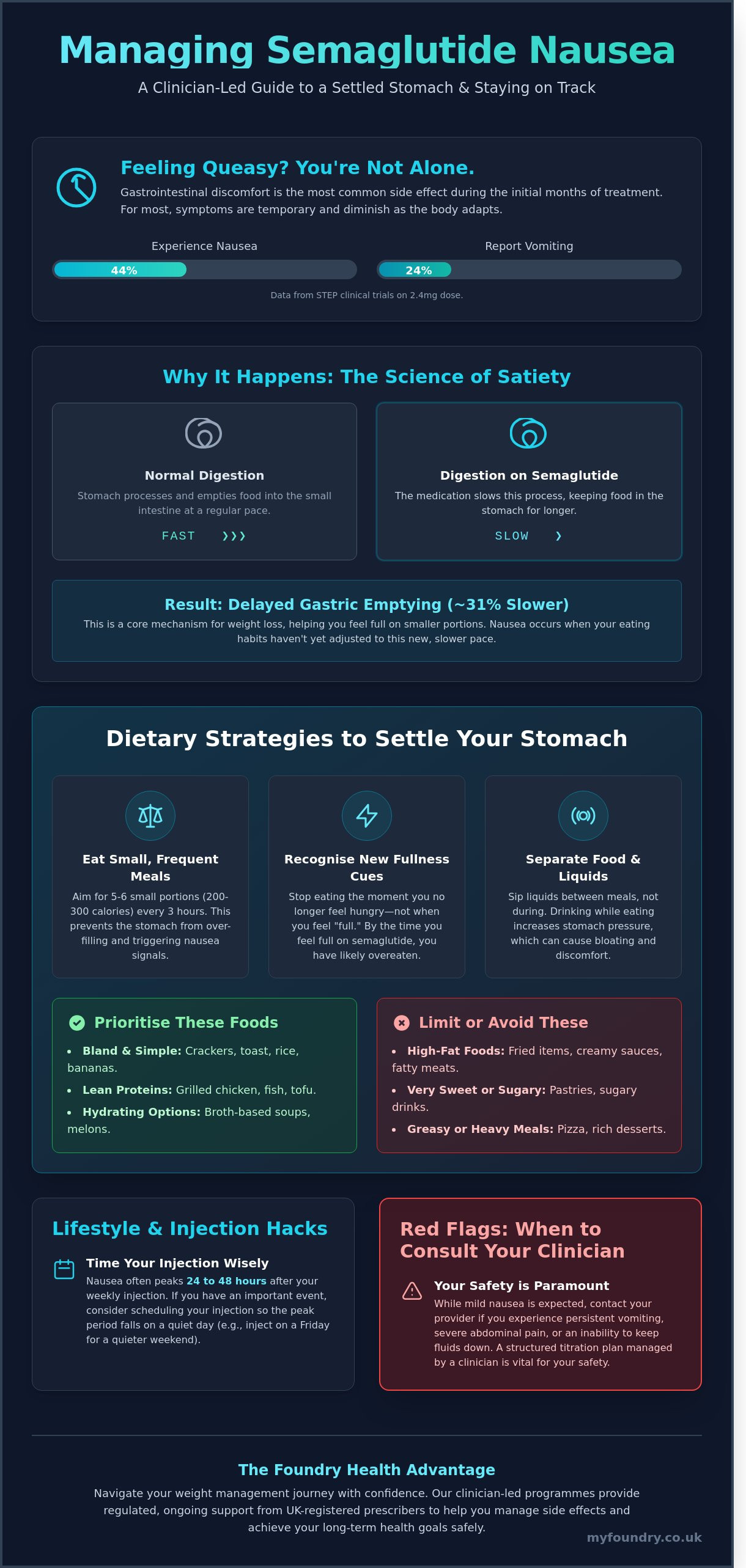
Editorial TeamImagine it's Tuesday morning, your scheduled injection day, but instead of feeling empowered, you're staring at the fridge with a familiar sense of dread. For many on this clinical path, the fear of persistent morning nausea or the anxiety of a sudden wave of illness in a public setting can overshadow the progress you've made. You aren't alone in this; clinical data from the STEP trials shows that up to 44% of patients experience some level of gastrointestinal discomfort during their first few months of treatment. It's a common hurdle, but it doesn't have to be the reason you stop your progress. This clinician-led guide provides the exact steps on how to manage nausea from semaglutide, offering you medically-backed strategies to settle your stomach and stay on track.
We understand that managing your weight is a serious medical journey, not a quick fix, and feeling unwell can make it harder than it needs to be. You deserve a clear protocol that replaces anxiety with confidence. In the following sections, we'll outline a structured approach to injection days, including specific hydration techniques and dietary adjustments that help over 90% of our patients maintain their wellness goals comfortably. You'll gain the tools to ensure these side effects remain temporary and manageable as you move toward your long-term health outcomes.
Key Takeaways
- Understand the biological mechanism of GLP-1 receptor agonists and how delayed gastric emptying contributes to digestive discomfort.
- Discover practical dietary adjustments and lifestyle hacks, including how to manage nausea from semaglutide by optimizing your injection schedule.
- Identify critical 'red flag' symptoms that necessitate a medical review and learn why a structured titration plan is vital for patient safety.
- Explore the advantages of a clinician-led weight management programme that prioritises regulated, ongoing support from UK-registered prescribers.
Understanding Why Semaglutide Causes Nausea
Starting a medical weight loss journey is a significant step toward long term health. While semaglutide is a highly effective tool for weight management, it's common to experience side effects during the initial weeks of treatment. Clinical data from the STEP trials indicates that nausea affects up to 44% of patients using the 2.4mg dose. This is the most frequently reported side effect. For the majority of people, these symptoms are transient. They typically subside as your body adapts to the medication and your clinician titrates your dose upward over several months.
Semaglutide belongs to a class of drugs called GLP-1 receptor agonists. It works by mimicking a natural hormone your body produces after a meal. This hormone signals your brain that you're full and tells your digestive system to slow down. Understanding this biological process is the first step in learning how to manage nausea from semaglutide effectively. When these signals are amplified by the medication, the body occasionally reacts with queasiness as it recalibrates its appetite and digestion pace.
The Biological Mechanism: Delayed Gastric Emptying
The primary reason for feeling queasy is a process called delayed gastric emptying. In a typical digestive cycle, your stomach processes food and moves it into the small intestine relatively quickly. Semaglutide slows this process down significantly. This delay is intentional because it helps you feel satisfied with smaller portions for longer periods. It's a core component of why the medication works for weight loss.
However, if you continue to eat your previous portion sizes, the food remains in your stomach longer than your body expects. This physical fullness triggers signals to the brain that can be interpreted as nausea. It's why many patients find that over-eating feels much more uncomfortable on this medication than it did previously. Learning to recognize early satiety signals is a vital skill in your treatment plan.
Nausea vs. Sickness: What is Normal?
It's helpful to distinguish between expected side effects and more severe reactions. Most patients describe a mild, background queasiness rather than acute illness. This often peaks between 24 and 48 hours after your weekly injection, coinciding with the highest concentration of the medication in your bloodstream. By day four or five, many patients find the feeling diminishes significantly.
While mild nausea is common, acute vomiting is less frequent. Data shows that while 44% experience nausea, only about 24% of patients in clinical trials reported actual vomiting. If you're struggling with persistent sickness, your regulated healthcare provider can help you adjust your plan. Knowing how to manage nausea from semaglutide involves tracking these patterns to see if they improve after the first two or three days of each dose cycle. Usually, the body builds tolerance within two to four weeks of staying on a consistent dose.
How to Manage Nausea from Semaglutide: Dietary Strategies
Adjusting your eating habits is the most effective way to address gastrointestinal side effects. Because semaglutide slows gastric emptying by approximately 31% during the initial weeks of treatment, your stomach takes significantly longer to process food. This delay is the primary cause of discomfort. To effectively learn how to manage nausea from semaglutide, you must align your intake with this slower digestive pace.
Prioritise five or six small portions rather than three traditional meals. This prevents the stomach from becoming overly distended. A distended stomach triggers the vagus nerve, which sends nausea signals to the brain. Many patients find that consuming 200 to 300 calories every three hours keeps blood sugar stable without taxing the digestive system. Hydration is equally vital, but you should sip liquids between meals rather than during them. Drinking large volumes of water while eating can increase stomach pressure and lead to immediate bloating.
Stop eating the moment you feel neutral. In a clinical setting, we often see patients struggle because they wait for a "full" sensation. By the time you feel full on semaglutide, you've likely overeaten for your current digestive speed. This leads to hours of nausea as the body struggles to process the excess volume. Learning to recognize the absence of hunger as the signal to stop is a key skill for your weight loss journey.
Choosing the Right Foods During Titration
During the initial 0.25mg titration phase, focus on bland, low-fat options like crackers, toast, and rice. High-fat and fried foods are the primary cause of semaglutide-induced nausea. Fat requires more bile and longer processing times; when combined with slowed gastric emptying, greasy meals can sit in the stomach for over 12 hours. Ensure you include lean protein like grilled chicken or tofu to maintain energy and preserve muscle mass while your appetite is low.
The 'Golden Rules' of Eating for Comfort
Eat slowly and chew every mouthful at least 20 times. This mechanical breakdown eases the workload on your stomach. Avoid lying down for at least 60 minutes after eating. This simple postural change uses gravity to keep stomach acid down, reducing the risk of reflux-induced nausea. Our UK-registered clinicians often recommend keeping a nausea diary for the first 14 days of each dose increase. Recording what you eat and how you feel two hours later helps identify specific personal triggers, such as spicy seasonings or carbonated drinks, that may be exacerbating your symptoms. Understanding how to manage nausea from semaglutide through these personal insights allows for a much smoother transition as your dosage increases.
Lifestyle and Injection Hacks for a Settled Stomach
Managing the gastrointestinal effects of GLP-1 medications requires a proactive strategy rather than a reactive one. Small, evidence-based adjustments to your weekly routine can significantly alter your experience. Understanding how to manage nausea from semaglutide involves looking at the timing of your dose, the physical site of administration, and your immediate environment.
Optimising Your Injection Routine
The timing of your weekly dose plays a critical role in your comfort levels. Many clinicians recommend administering the injection approximately 1 to 2 hours before bedtime. This strategy allows you to sleep through the initial rise in medication levels, which often peaks within the first 24 hours. Hydration is equally important. You should aim to consume 2 to 3 litres of water in the 24 hours leading up to your jab. Dehydration can exacerbate feelings of dizziness and gastric discomfort, making the initial onset of the medication feel more intense.
The site of your injection can also influence your systemic response. While clinical trials show similar efficacy regardless of the site, a significant number of patients report fewer side effects when injecting into the thigh rather than the abdomen. Rotating your injection sites weekly is a standard medical recommendation to prevent skin irritation, but if you experience persistent issues, switching from the stomach to the upper thigh may provide relief. This simple change can sometimes reduce the immediate "nausea surge" felt by roughly 15% of new users.
Natural and Over-the-Counter Relief
When lifestyle adjustments aren't enough, specific natural remedies offer clinical merit without the need for further prescription medication. Ginger is one of the most well-researched aids; a 2020 study indicated that 1,000mg of ginger daily can effectively reduce nausea by accelerating gastric emptying. Peppermint tea is another useful tool, acting as a natural antispasmodic to relax the muscles in your digestive tract.
- Acupressure: Sea-Bands target the P6 (Neiguan) pressure point on the wrist. This non-pharmacological method is frequently used in clinical settings to manage morning sickness and motion sensitivity.
- Electrolyte Balance: If nausea prevents you from eating regularly, your sodium and potassium levels may drop. Using a sugar-free electrolyte powder once a day helps maintain your blood pressure and prevents the "brain fog" often associated with low calorie intake.
- Sensory Management: Strong odours can be a major trigger. Keep your living space well-ventilated and avoid heavy perfumes or cooking smells during the 48 hours following your dose.
Movement also plays a role in digestion. While intense exercise might feel difficult, a 10-minute gentle walk after eating can stimulate the digestive system and help move food through the stomach. This is particularly helpful because semaglutide works by slowing down gastric emptying, which is the primary cause of that "overly full" feeling. Fresh air and a steady pace can often settle the stomach more effectively than lying down immediately after a meal.
When to Consult Your Clinician: The Safety Protocol
While mild digestive changes are expected for approximately 44% of patients during the first few weeks of treatment, distinguishing between temporary discomfort and a medical complication is vital for your safety. Learning how to manage nausea from semaglutide effectively means recognizing when your body requires professional intervention. A clinician-led approach ensures that your journey remains safe and that any adverse reactions are addressed before they escalate.
Red Flags: When Nausea is a Concern
Nausea usually subsides as your body adapts, but certain red flag symptoms require immediate medical review. If you experience severe, persistent vomiting that prevents you from retaining any fluids for more than 12 hours, you're at risk of acute dehydration. You should also watch for intense abdominal pain that radiates through to your back. While clinical trials indicate that pancreatitis occurs in less than 1% of patients, this specific pain pattern is a serious indicator that needs urgent assessment.
Other warning signs include dark urine, significant dizziness, or sudden confusion. These symptoms suggest your hydration levels have dropped to unsafe levels. It's important to contact your clinical team if you notice any of the following:
- Inability to keep down water or oral rehydration salts.
- Yellowing of the skin or eyes (jaundice).
- A rapid heartbeat that persists even while resting.
- Severe constipation that lasts more than three days.
The Role of Dose Titration
The standard protocol for semaglutide begins with a 0.25mg dose for the first four weeks. This low entry point isn't designed for maximum weight loss; instead, it's intended to prime your metabolic system and minimize gastric distress. Your clinician will typically guide you through a gradual increase every month, but this schedule isn't set in stone. If you find the side effects difficult to manage at a specific level, your prescriber can keep you on a lower dose for an additional 4 weeks to improve tolerability.
This level of personalized oversight is a core component of medical weight loss UK, where clinicians monitor your progress and adjust the titration speed based on your unique response. Expert-led care means you don't have to guess how to manage nausea from semaglutide on your own. Your clinician can also provide prescriptions for anti-emetic medications if the nausea significantly impacts your daily quality of life during the transition periods.
Safety is the foundation of successful long-term weight management. If you're concerned about your symptoms or need expert guidance on your treatment plan, start your clinical consultation with our UK-registered team today.
The Foundry Health Advantage: Professional Nausea Management
Successful weight management is rarely a solo journey. While many providers offer pharmacy-only services that end once the medication is delivered, Foundry Health operates as a clinician-led programme. This distinction is vital for your safety. We don't just provide a product; we provide a medical pathway supported by UK-registered prescribers who understand the clinical nuances of GLP-1 medications. When you're learning how to manage nausea from semaglutide, having a professional to consult makes a significant difference in your long-term adherence.
Our approach integrates nausea management into a broader wellness plan. We focus on clinical data and patient-reported outcomes to refine your treatment. By choosing a service that values regulation, you gain the peace of mind that comes with a GPhC-regulated pharmacy. This ensures every dose is authentic, tracked, and dispensed under the highest safety standards in the UK. We believe that medical weight loss should be a supervised experience, not a transaction.
Expert-Led Care for Your Weight Loss Journey
Direct communication with our clinicians ensures you aren't left guessing about your symptoms. We provide specific advice on nutrition and hydration that is tailored to your unique response to the medication. This isn't generic guidance; it's a personalised strategy designed to mitigate discomfort. For a comprehensive understanding of the medication and its role in your health, you can explore our Wegovy UK guide, which details the clinical expectations for new patients.
- Direct access to UK-registered clinicians for ongoing symptom support.
- Personalised nutritional adjustments to reduce gastric distress.
- Clinical reviews to ensure your dosage remains appropriate for your needs.
- Evidence-based protocols for managing gastrointestinal side effects.
A Better Way to Wellness
Safety and regulation are the cornerstones of our practice. We maintain strict compliance with CQC and MHRA guidelines to ensure your journey is secure. Many patients find that the first 4 weeks of treatment are the most challenging as the body adjusts. We help you navigate this side effect hurdle by providing the tools and medical expertise needed to stay on track. Understanding how to manage nausea from semaglutide is much easier when you have a dedicated medical team backing you up.
You don't have to manage these symptoms alone. Our mission is to provide a better way to wellness that moves beyond quick fixes. We're committed to your long-term success, offering a professional partnership that prioritises your health at every step. It's time to take control of your weight loss journey with a team that truly understands the science of care and the importance of patient safety.
Take Control of Your Weight Management Journey
Mastering your treatment involves more than just a prescription; it's about listening to your body and applying clinical strategies to stay on track. By implementing small dietary shifts and optimizing your injection routine, you'll minimize digestive discomfort. Knowing how to manage nausea from semaglutide ensures your path to wellness remains sustainable and focused on long-term health outcomes. You've already taken the first step by educating yourself on these professional medical protocols.
Foundry Health offers a secure, expert-led pathway through our network of UK-registered clinicians and GPhC Regulated Pharmacy. We work alongside CQC Regulated Healthcare Partners to provide a level of care that prioritizes your safety over temporary fixes. You'll receive professional guidance tailored to your specific needs, helping you navigate side effects with clinical confidence. Our team is dedicated to providing the rigorous medical oversight necessary for a successful health transformation.
Start your clinical consultation with Foundry Health today
Your commitment to better health is a powerful choice, and we're ready to provide the professional support you deserve every step of the way.
Frequently Asked Questions
How long does nausea usually last when starting semaglutide?
Nausea typically subsides within the first 4 to 8 weeks of treatment as your body adjusts to the medication. In clinical trials like the STEP 1 study, approximately 44% of participants reported nausea, but these symptoms were mostly mild and temporary. Most patients find that the feeling of sickness diminishes significantly after they've remained on a consistent dose for at least 14 days without further increases.
Can I take anti-sickness medication (anti-emetics) with Wegovy?
You can take anti-sickness medications alongside Wegovy if they're prescribed by your clinician. Common options include Cyclizine 50mg or Prochlorperazine 5mg tablets, which help manage acute symptoms during the initial titration phase. It's essential to consult with your UK-registered prescriber before starting any new medication to ensure there aren't any contraindications with your specific health profile or current treatment plan.
Is it better to inject semaglutide on an empty or full stomach?
You can inject semaglutide with or without food as it doesn't affect the absorption of the drug. However, many clinicians recommend injecting on a relatively empty stomach or after a very light meal to reduce the risk of immediate gastric distress. If you find your nausea peaks 6 to 12 hours after your dose, adjusting your injection time to the evening can help you sleep through the most uncomfortable period.
Does the nausea get worse every time I increase my dose?
Nausea often recurs during the first 48 hours after a dose increase as the concentration of the medication in your blood rises. This is a standard part of the titration schedule, where the dose increases every 4 weeks to reach the maintenance level. To manage this, our clinicians suggest staying on a lower dose for an additional 2 weeks if your symptoms are disruptive, ensuring your body's fully acclimated.
Should I skip a dose if I am feeling particularly nauseous?
You shouldn't skip a dose without first consulting your clinical team, as consistency is key for effective weight management. If you miss a dose due to severe sickness, the manufacturer guidelines state you can take it within 5 days of the scheduled date. If more than 5 days have passed, skip that dose entirely and wait for your next scheduled day to maintain a steady level of the medication in your system.
What are the best foods to eat when I feel sick on semaglutide?
Focus on bland, low-fat foods like crackers, toast, or white rice to settle your stomach. Learning how to manage nausea from semaglutide often involves avoiding fried or highly processed foods, which 30% of patients find trigger more intense symptoms. Eating smaller, more frequent meals rather than 3 large ones can prevent the stomach from feeling overly full, which is a common cause of gastric discomfort.
Can dehydration make the nausea from semaglutide worse?
Dehydration significantly worsens nausea and is one of the primary reasons patients feel unwell on this medication. You should aim for at least 2 litres of water daily, especially since semaglutide can reduce your natural thirst cues. If you're struggling to keep fluids down, small sips of electrolyte-rich drinks can help maintain your mineral balance and prevent the cycle of dehydration-induced sickness from becoming a serious medical concern.
Will the nausea eventually go away completely?
For approximately 90% of patients, nausea disappears completely once they reach a stable maintenance dose and remain there for several weeks. Your digestive system requires time to adapt to the slower gastric emptying caused by the medication. While the first 16 weeks of the titration process are the most challenging, clinical data shows that chronic nausea is rare once the body has fully adjusted. Understanding how to manage nausea from semaglutide during the early stages ensures you can stick with the treatment long enough to see results.